
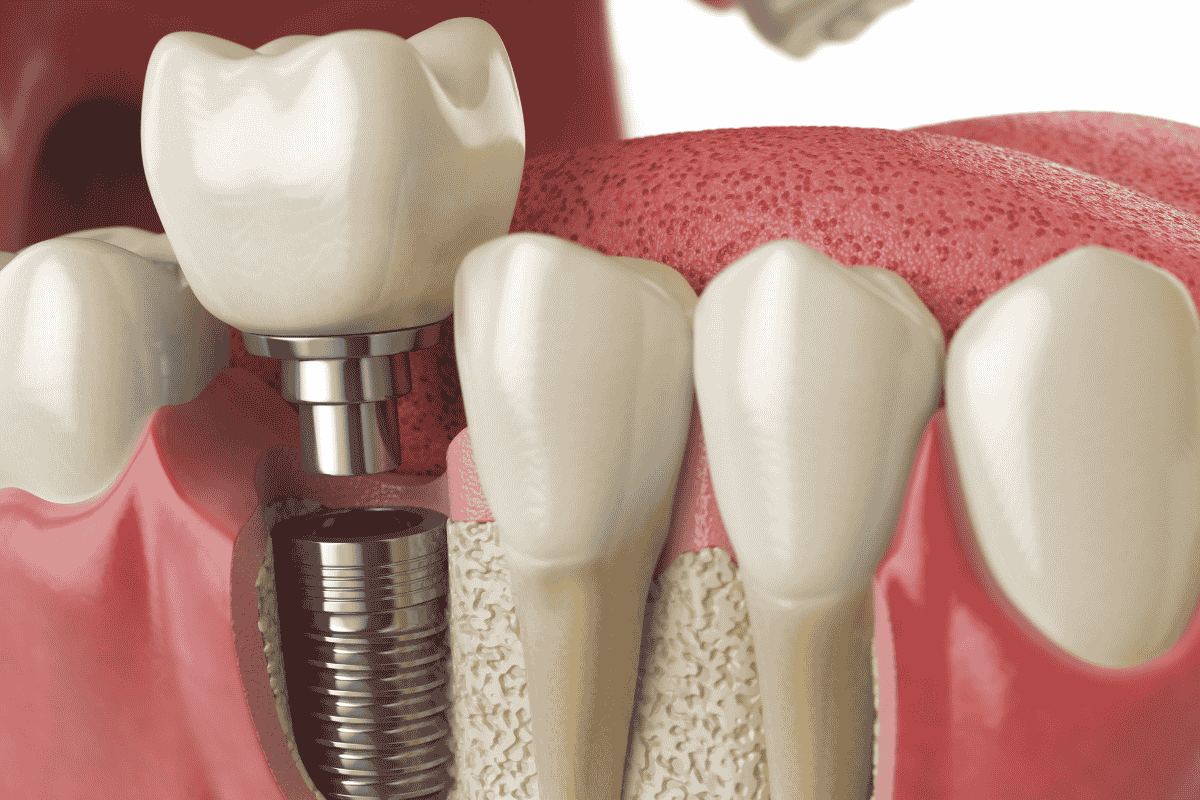
Yes, some pain, tenderness, and swelling after dental implant surgery are normal, especially during the first few days. Your gums and jawbone need time to heal around the implant. The discomfort should gradually improve, not become more severe. However, persistent pain, increasing swelling, or other unusual symptoms may indicate an infection or another complication that needs dental attention.
Knowing what to expect after surgery can help you distinguish normal healing from signs that something may be wrong.
How Much Pain Is Normal After Dental Implant Surgery?
The amount of discomfort you experience depends on the number of implants placed, the complexity of the procedure, and your individual healing process.
You may notice:
-
Tenderness around the implant site when chewing or touching the area.
-
Mild swelling in your gums or cheeks.
-
Minor bruising around the surgical area.
-
Slight bleeding during the first 24 hours.
-
Jaw soreness or stiffness that makes opening your mouth uncomfortable.
These symptoms are generally more noticeable during the first 48 to 72 hours. Your dentist may recommend medication to manage discomfort and help you recover comfortably.
The most important sign is gradual improvement. Although mild tenderness can last longer, your pain should generally decrease as healing progresses.
How Long Does a Dental Implant Hurt?
Most patients experience the greatest discomfort during the first two to three days after surgery. Pain and swelling should then begin to subside over the following several days.
Here is a general timeline of recovery.
During the First 24 Hours
You may experience soreness as the anesthesia wears off. Follow your dentist’s instructions for pain relief, rest, and protecting the surgical site.
Two to Three Days After Surgery
Swelling and tenderness may reach their peak during this period. Apply a cold compress to the outside of your cheek for short intervals, following your dentist’s recommendations.
Four to Seven Days After Surgery
Your discomfort should start improving noticeably. You may gradually return to normal activities as you feel comfortable, although you should continue following your post-operative instructions.
After One Week
Some tenderness may remain, particularly after a more involved procedure. However, worsening pain or discomfort that does not improve deserves professional evaluation.
Remember that the implant itself takes several months to fully integrate with the jawbone, even when the gums feel better within a week.
Why Does My Dental Implant Hurt?
Several factors can explain discomfort after implant placement. Some are part of normal healing, while others require treatment.
1. Normal Surgical Healing
Your dentist creates a small opening in the jawbone to place the implant. The surrounding tissues need time to recover, which can cause temporary pain and swelling.
2. Pressure From Chewing
Chewing hard or crunchy foods too soon can irritate the healing area. Choose soft foods and avoid putting unnecessary pressure on the implant until your dentist says you can resume your usual diet.
3. Gum Inflammation or Infection
Bacteria can cause inflammation around the implant. Warning signs include increasing redness, persistent swelling, pus, a bad taste, or worsening pain.
An infection requires prompt dental assessment because it can affect the surrounding tissues and potentially threaten implant healing.
4. Problems With Implant Healing
In some cases, the implant may not integrate properly with the jawbone. You might experience persistent pain, discomfort when biting, or a feeling that the implant moves.
A dental implant should not feel loose. Contact your dentist if you notice movement rather than trying to test or adjust the implant yourself.
5. Pressure on Nearby Structures
Occasionally, implant placement can irritate nearby nerves or other anatomical structures. Numbness, tingling, or unusual pain that affects your lip, chin, or tongue should be reported to your dentist promptly.
What Can You Do to Relieve Dental Implant Pain?
You can support your recovery by protecting the surgical area and following your dentist’s instructions.
-
Take prescribed or recommended pain medication as directed. Do not exceed the recommended dose.
-
Use a cold compress on the outside of your cheek during the early recovery period.
-
Eat soft foods such as yogurt, scrambled eggs, mashed potatoes, and lukewarm soup.
-
Avoid smoking and vaping, which can interfere with healing.
-
Keep your mouth clean by following your dentist’s instructions for brushing and rinsing around the surgical site.
-
Avoid strenuous exercise during the initial recovery period if your dentist advises you to rest.
-
Do not poke, press, or repeatedly touch the implant with your fingers or tongue.
Avoid using leftover antibiotics or starting medication without professional guidance.
When Should You Worry About Dental Implant Pain?
Contact your dentist promptly if your pain increases instead of improving, especially after the first few days.
Watch for these warning signs:
-
Severe or worsening pain.
-
Swelling that continues to increase after the initial recovery period.
-
Pus, persistent bleeding, or a foul taste.
-
Fever or feeling generally unwell.
-
An implant or attached restoration that feels loose.
-
New or persistent numbness or tingling.
Seek emergency medical care if you develop difficulty breathing or swallowing, rapidly spreading facial or neck swelling, or swelling that threatens your airway.