
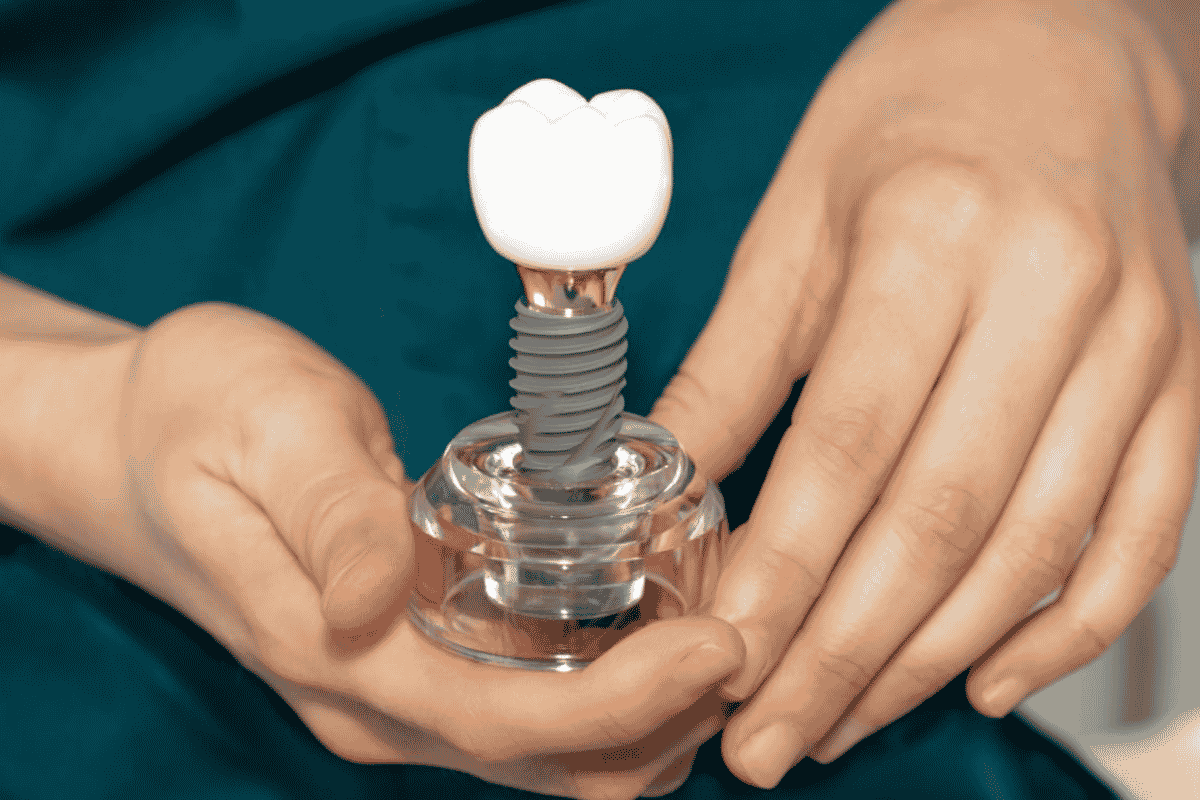
Yes, you can get a dental implant years, even decades, after losing a tooth. There is no expiration window on tooth replacement. Whether you lost a molar back in high school and never got around to fixing it, or a front tooth came out after an accident a long time ago, an implant is still a realistic option today. The exact plan depends on the current condition of your jawbone and gums rather than how many years have gone by. Waiting does change a few things about how the process unfolds, and this blog breaks down exactly what those changes are so you know what to expect before you ever sit in a dental chair.
What Happens to Your Jawbone When a Tooth Has Been Missing for a While
Your jawbone stays strong because your tooth roots send it constant signals through chewing and biting pressure. Once a tooth is gone, that stimulation stops, and the bone in that area slowly begins to shrink. This process is called resorption, and it tends to move fastest during the first year after a tooth is lost, then continues at a slower pace after that.
This is the main reason a dentist will ask how long the tooth has been missing. Someone who lost a tooth six months ago usually has plenty of bone left to anchor an implant right away. Someone who lost one fifteen years ago may have lost enough bone height and width that the jaw needs rebuilding first. Neither case rules out an implant. It simply changes the number of steps between the first visit and the finished smile.
Do You Automatically Need a Bone Graft If You Waited Too Long?
Not automatically, but it does happen often. If imaging shows the bone has thinned too much to hold an implant securely, your dentist will likely recommend a bone graft before placing the implant itself. During this procedure, graft material is added to the site, and your body gradually fuses it with your existing bone over several months, building a stable foundation.
A graft is not a setback, it is a routine and well established part of implant dentistry. Once the graft has healed and the bone is dense enough, the implant post goes in just as it would in any other case. Some patients need a graft and some do not, and imaging is really the only way to know for sure. If you want a closer look at how the full procedure is planned and carried out, our page on dental implant surgery walks through each stage in detail, and it is a resource we point Vilonia patients to often before their first consultation.
Is There an Age Limit or Cutoff Point for Getting an Implant?
There is no upper age limit and no cutoff tied to the number of years since extraction. What actually matters is the health of your gums, the density of your jawbone, and your overall health, since conditions like uncontrolled diabetes can affect healing. Healthy adults in their seventies and eighties get implants successfully all the time, just as adults who lost a tooth in their twenties and are now in their forties do.
Smoking is one factor that genuinely slows healing and can lower success rates, so your dentist may talk with you about cutting back before and after the procedure. Beyond that, age and elapsed time matter far less than the current state of your mouth. Overall oral health and proper aftercare play a much bigger role in implant success than a patient’s age alone.
What the Process Looks Like When It Has Been Years Since You Lost the Tooth
Here is a general idea of how treatment tends to unfold for someone who has waited a while:
- Initial exam and imaging. A 3D scan shows exactly how much bone remains and whether nearby teeth have shifted into the gap.
- Treatment planning. Your dentist maps out whether a graft is needed and how many implant posts your case calls for.
- Bone grafting, if necessary. This step is skipped entirely for patients with sufficient bone.
- Implant placement. A titanium post is placed into the jawbone, where it acts as an artificial root.
- Healing and integration. Over several months, the bone fuses to the implant in a process called osseointegration.
- Crown placement. A custom crown is attached to the post, matching the shape, size, and shade of your surrounding teeth.
The main difference for a long-standing gap is simply that steps one through three may take a bit more time and planning than they would for a recent extraction.
Extra Considerations When a Tooth Has Been Missing for Years
A few things tend to show up specifically in long-term cases, and it helps to know about them ahead of time.
Neighboring teeth often drift. When a gap sits open for years, the teeth on either side can tilt inward, and the opposing tooth on the other jaw can grow slightly longer since it has nothing to bite against. Your dentist may need to correct this shifting before or during implant placement.
Your bite may have changed. Chewing on one side for a long stretch can create uneven wear or jaw discomfort over time, which your dentist will factor into the plan.
Upper back teeth carry an added consideration. If the missing tooth was an upper molar, the sinus cavity can expand downward into the space once occupied by the root, sometimes requiring a sinus lift alongside a bone graft.
None of these situations make an implant impossible. They are simply part of a thorough evaluation, and a good dental team will walk you through each one clearly before moving forward.
What Influences Recovery Time and Long-Term Success
Recovery generally depends on a handful of factors: how much bone grafting was needed, your body’s natural healing speed, how well you follow post-surgery care instructions, and your daily oral hygiene habits afterward. Most patients return to normal eating and speaking within a week or two, while full integration of the implant with the bone typically takes three to six months.
Once healed, implants have a strong track record, often lasting well over a decade with proper brushing, flossing, and regular checkups. Keeping up with cleanings and catching small issues early makes a real difference in how long the finished result lasts.
Ready to Finally Fill That Gap?
If you have been putting this off for years, wondering whether it is too late, consider this your sign that it is not. Our team at Vilonia Family Dental Care works with patients every week who lost a tooth long ago and are finally ready to do something about it. Visit our dental clinic in Vilonia for a straightforward evaluation, honest answers about your bone health, and a clear plan for getting your smile back on track.