
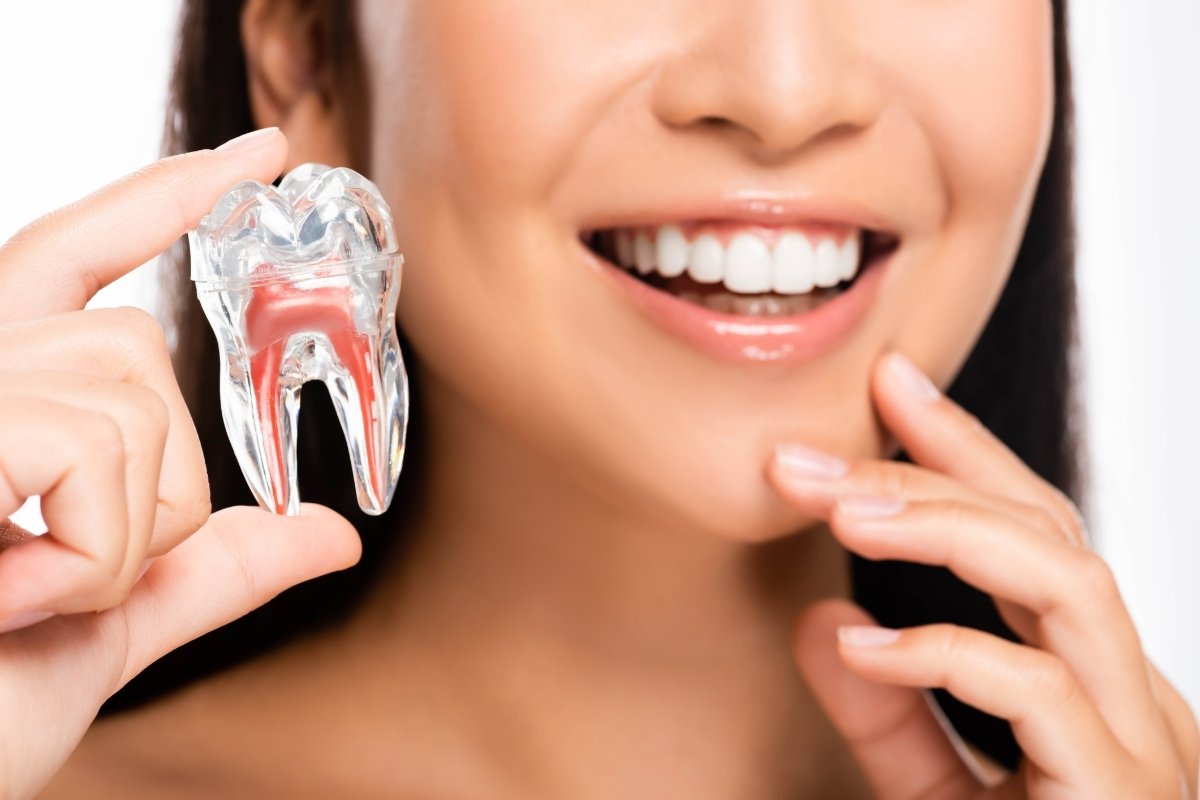
Yes, you can whiten sensitive teeth. You just can’t grab the strongest product on the shelf and hope for the best. A gentler formula, a shorter wear time, and a little prep work let most people brighten their smile without the zing. If you’ve skipped whitening because a sip of ice water already makes you flinch, keep reading. You have more options than you think.
Is It Safe to Whiten If My Teeth Are Already Sensitive?
For most people, yes. Sensitivity alone doesn’t rule out whitening, but the cause of your sensitivity matters. If it comes from thin enamel, mild gum recession, or years of drinking coffee and acidic sodas, a dentist can usually tailor a safe plan.
Other causes need attention first. Cavities, cracked teeth, worn fillings, and exposed roots can turn a whitening session painful because the gel reaches nerve areas it shouldn’t touch. A quick exam tells you which category you fall into before you spend a dime on products.
Why Does Whitening Make Teeth Hurt?
Whitening gels contain peroxide, which passes through the enamel and lifts stains from the dentin underneath. Along the way, it can irritate the nerve inside the tooth and temporarily open the tiny tubes in dentin that carry sensations. That’s why a cold breeze or a sip of hot tea can suddenly feel sharp.
The good news is that this kind of sensitivity is almost always temporary. Most people feel it during treatment or within the first day, and it typically fades within one to three days after they stop.
Which Whitening Options Work Best for Sensitive Teeth?
Not every method treats sensitive teeth the same way. Here’s how the common choices stack up.
Custom trays from your dentist. This is often the best fit. Your dentist makes trays that match your teeth, so the gel stays on your teeth and off your gums. Dentists also use a lower-strength gel, often carbamide peroxide, which releases peroxide slowly. You wear the trays for shorter periods and build results over time.
Professional treatment at the dental office. This delivers the fastest change, sometimes in a single visit. For sensitive teeth, your dentist can protect your gums, choose a milder gel, add desensitizing agents, and stop the moment you feel discomfort. Some people split the treatment into shorter sessions to keep things comfortable.
Whitening strips. Strips work for light staining, but they’re a mixed bag if you have sensitivity. They don’t fit every tooth shape, and the gel can slip onto your gums. If you go this route, choose a gentle version and use it less often than the box says.
Whitening toothpaste. These polish away surface stains but won’t change the deeper color of your teeth. Because they don’t use much peroxide, they rarely cause sensitivity, though results are modest.
What Should You Look For in a Sensitivity-Friendly Whitening Product?
Check the ingredient list and the label before you buy. These details make a real difference:
Potassium nitrate or fluoride in the formula. Both help calm the nerve and strengthen enamel. Many dentists recommend them for people who wince easily.
A lower peroxide concentration. Stronger isn’t better if it leaves you in pain. A milder gel used consistently often gives the same final shade.
The ADA Seal of Acceptance. It tells you the American Dental Association has reviewed the product for safety and effectiveness.
A well-fitting tray or applicator. Gel that touches your gums causes most of the irritation people blame on whitening itself.
How Can You Reduce Sensitivity Before, During, and After Whitening?
A little planning goes a long way. Try these habits:
Start desensitizing toothpaste about two weeks before whitening. Brush with it twice a day so your teeth build up some protection. Look for potassium nitrate on the label.
Shorten your wear time. If a product says 60 minutes, try 30. You can always add time later, but you can’t undo irritation.
Whiten every other day instead of daily if your teeth feel tender. Slower progress beats a week of discomfort.
Skip extreme temperatures for 48 hours afterward. Your teeth are more porous right after treatment, so ice cream and scalding coffee hit harder. A straw helps with cold drinks.
Brush with a soft-bristled brush and avoid scrubbing. Hard brushing wears on enamel and can make sensitivity worse.
Avoid dark, staining foods and drinks for a couple of days. Coffee, red wine, and berries can undo your progress while your teeth stay absorbent.
If you feel a sharp, lingering pain, stop whitening and call your dentist. Mild tingling is normal, but real pain is a signal to pause.
Who Should Hold Off on Whitening?
Whitening doesn’t suit everyone right now. Wait and talk with a dentist first if you:
- Have untreated cavities, gum disease, or cracked teeth
- Are pregnant or nursing (most dentists suggest waiting)
- Are under 14 years old
- Have crowns, veneers, or visible fillings in the front of your mouth, since whitening gel won’t change their color and you may end up with uneven shades
Ready for a Brighter Smile Without the Wince?
You shouldn’t have to choose between a whiter smile and comfortable teeth. A short exam can show exactly what your teeth can handle and which whitening plan fits you best.
Visit our dental clinic in Vilonia and let our team build a gentle, effective whitening plan around your sensitivity. Call Vilonia Family Dental Care today to book your visit and start smiling with confidence.
Frequently Asked Questions :
1. How long does whitening sensitivity last?
Most people feel it for one to three days. If it continues beyond a week, contact your dentist.
2. Can I use desensitizing toothpaste while I whiten?
Yes, and you should. It helps block the pathways that carry pain signals to the nerve.
3. Do natural remedies like baking soda or charcoal work better for sensitive teeth?
Not really. They scrub away surface stains and can wear down enamel, which often makes sensitivity worse. Stick with products backed by research.
4. Will whitening damage my enamel?
When you follow directions, peroxide whitening doesn’t harm enamel. Overusing products or using harsh ones is where problems start.
5. How often can I whiten with sensitive teeth?
Most dentists suggest touch-ups once or twice a year, though your dentist can set a schedule that fits your teeth.