
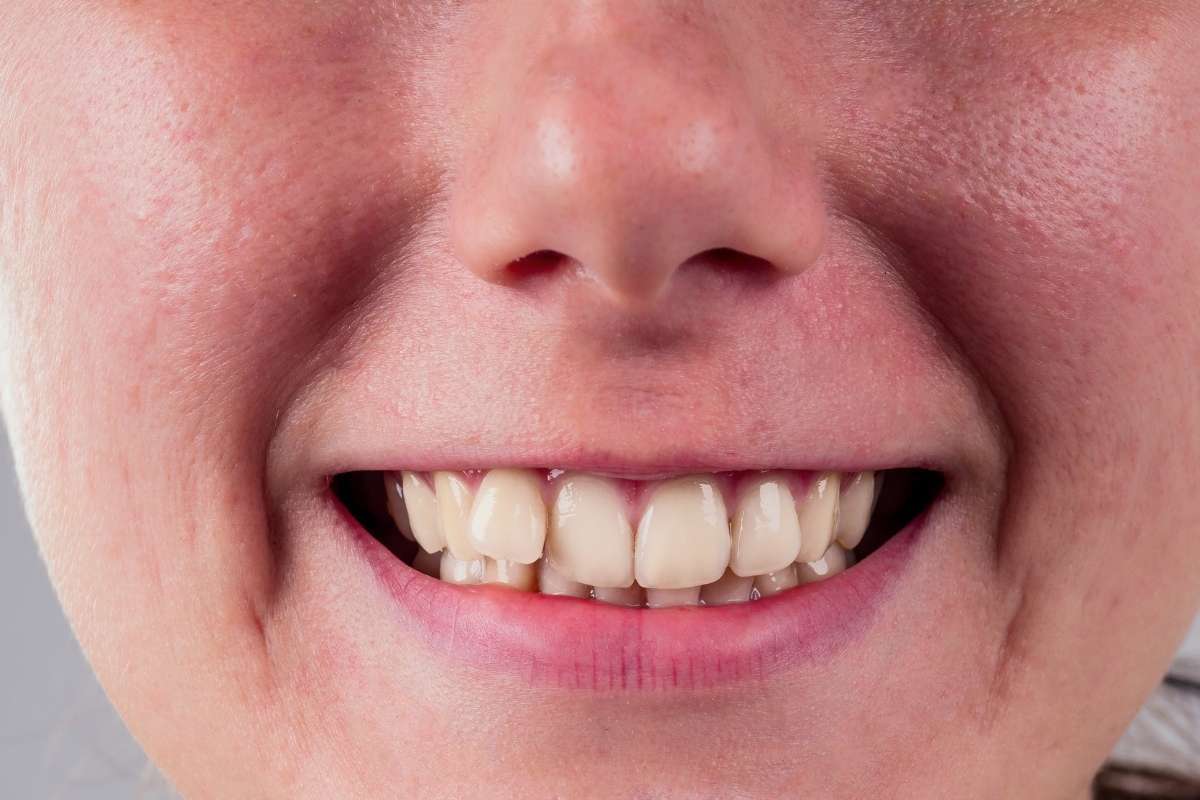
If you want a short answer before you read another word: neither option is universally better. Invisalign wins for adults and teens who want a discreet, removable option and have mild to moderate alignment issues. Traditional braces win when the bite problem is severe, when a patient can’t be trusted to wear removable trays for the required hours, or when the budget favors a more predictable, fixed treatment. The real answer depends on your teeth, your lifestyle, and how much control you want over the process.
That’s the quick version. Now let’s get into why.
What Invisalign Actually Does
Invisalign uses a series of clear, custom-fitted trays that gradually shift your teeth into place. You switch to a new tray roughly every one to two weeks, and each one nudges your teeth a fraction closer to their final position. There’s no metal, no wires, and nothing glued to your enamel.
The biggest draw is that people can barely tell you’re wearing them. That matters a lot to adults in professional settings and teenagers who are self-conscious about their smile during a formative stage of life.
But there’s a catch that gets glossed over in marketing: the trays only work if you actually wear them. Dentists generally recommend 20 to 22 hours a day. Take them out too often to eat, snack, or “just for a few hours,” and your treatment timeline stretches out fast.
Quick Facts on Invisalign
- Trays are switched every one to two weeks as teeth shift
- Removable for meals, brushing, and flossing
- Requires 20 to 22 hours of daily wear to stay on schedule
- Works best for mild to moderate crowding, gaps, and minor bite issues
- Fewer emergency visits since there’s no wire to snap or bracket to pop off
What Traditional Braces Actually Do
Braces use metal or ceramic brackets bonded to each tooth, connected by an archwire that your dentist or orthodontist tightens at regular visits. Unlike trays, braces stay on your teeth around the clock. There’s no removing them, no losing them, and no forgetting to put them back in after lunch.
This constant pressure is exactly why braces are often the go-to choice for complex cases: severe crowding, significant gaps, rotated teeth, or bite issues that involve more than just straightening. Braces can move teeth in ways that trays sometimes can’t, including vertical movement and root positioning.
The tradeoff is visibility and lifestyle adjustment. You’ll need to change how you brush and floss, avoid certain sticky or hard foods, and get used to seeing metal in the mirror for the duration of treatment.
Quick Facts on Braces
- Bonded to teeth and adjusted by a dentist every four to six weeks
- Not removable, so there’s no risk of inconsistent wear
- Better suited for severe crowding, large gaps, and complex bite corrections
- Requires avoiding sticky, hard, and chewy foods during treatment
- Ceramic brackets offer a less visible alternative to traditional metal
Comparing the Two Side by Side
| Category | Invisalign | Traditional Braces |
|---|---|---|
| Appearance | Nearly invisible trays | Visible metal, though ceramic blends in more |
| Comfort | Smoother against cheeks and gums | More irritation, especially after adjustments |
| Maintenance | Comes out for eating and brushing | Requires caution around food and cleaning technique |
| Discipline required | High. Results depend on consistent wear time | Low. Teeth move regardless of patient habits |
| Treatment complexity | Best for mild to moderate cases | Handles severe misalignment and complex bites better |
| Office visits | Fewer in-office adjustments | Periodic tightening appointments needed |
The table gives you a quick overview, but a few of these points deserve more context.
Discipline is the one factor patients underestimate most. Invisalign only works as fast as you let it. If trays sit in a drawer more than they sit on your teeth, that “shorter treatment time” advantage disappears quickly. Braces remove that variable entirely since they’re bonded in place around the clock.
Complexity is the other factor worth sitting with. Rotated teeth, significant crowding, and certain bite corrections sometimes need the kind of pressure only a bonded wire can apply. That doesn’t rule Invisalign out, but it does mean a more complicated case deserves an honest conversation with your dentist before you commit to either path.
So Which One Should You Pick?
Think about your daily habits honestly, since that matters more than age or personal preference alone.
Invisalign Might Fit You If
- You want a nearly invisible option for work, school, or social settings
- You’re confident you’ll wear the trays close to 22 hours a day
- Your case involves mild to moderate crowding or spacing
- You’d rather remove your treatment for meals and brushing
- You want fewer in-office visits during treatment
Braces Might Fit You If
- Your bite issue is severe or involves complex movement
- You don’t want treatment success to depend on your own consistency
- You’ve struggled to stick with removable devices in the past
- Your dentist recommends more control over tooth and root positioning
- You’re comfortable with visible brackets for the length of treatment
Age isn’t really the deciding factor anymore. Plenty of adults choose braces because their case calls for it, and plenty of teens do well with trays because they’re responsible about wear time. What matters more is your specific bite, your specific teeth, and your specific ability to stick with the plan.
A dentist who examines your mouth in person, takes X-rays, and maps out your alignment issues can tell you which route actually fits your case. Photos and online quizzes can’t replace that.
Ready to Find Your Fit?
Every mouth tells a different story, and the only way to know which treatment fits yours is to have someone actually look. Our team at Vilonia Family Dental Care can walk you through both options, answer the questions that matter to you, and build a plan around your teeth, not a generic template. Visit our dental clinic in Vilonia, and let’s figure out your next step together.
Frequently Asked Questions :
1. Is Invisalign as effective as braces?
For mild to moderate alignment problems, yes, results are generally comparable. For complex bite correction, braces sometimes achieve outcomes that trays cannot.
2. How long does each treatment take?
Both typically range from several months to a couple of years, depending on how much movement your teeth need. Invisalign timelines can extend if trays aren’t worn consistently.
3. Does either option hurt?
Both cause some soreness as teeth shift, especially right after starting a new tray or having braces tightened. The discomfort is usually mild and temporary.
4. Can adults get either treatment?
Yes. Both options work well for adults, and there’s no upper age limit for straightening teeth as long as your gums and bone are healthy enough to support movement.
5. Will insurance help cover the cost?
Many dental insurance plans offer partial coverage for orthodontic treatment, though the amount varies by provider and plan. It’s worth checking your specific benefits before deciding.